Horus Labs is developing secure, sovereign AI infrastructure through modular, right-sized systems rather than starting with hyperscale facilities. Computing capacity is placed closer to African governments, universities, researchers, startups, businesses and communities, and expanded according to available power and demonstrated demand. The central decision is to prioritize useful access over technological prestige, reducing the risks of overbuilding, resource waste, inaccessible pricing and infrastructure that is disconnected from local needs.
THE STORY
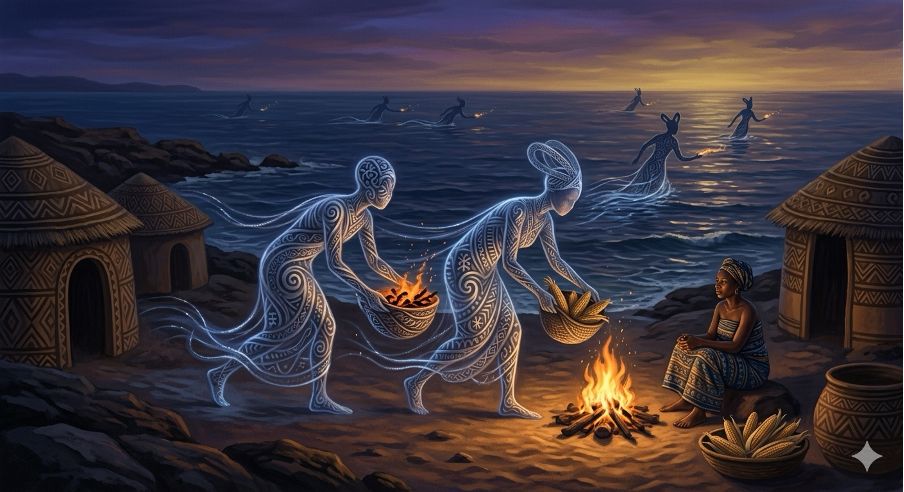
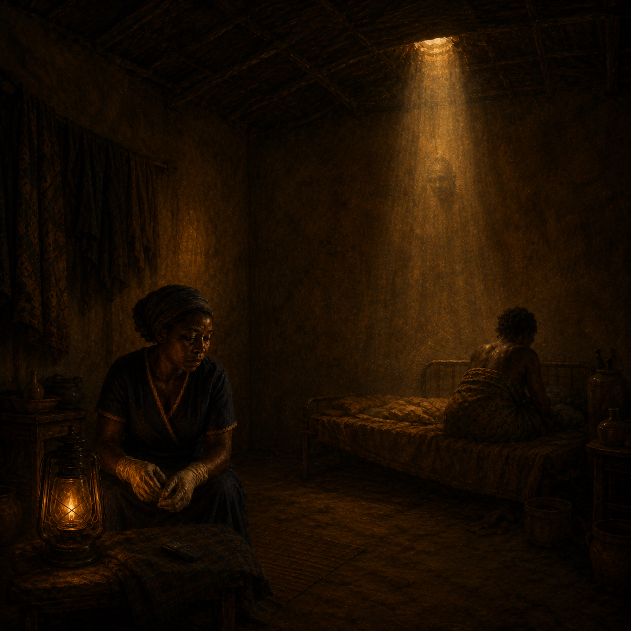
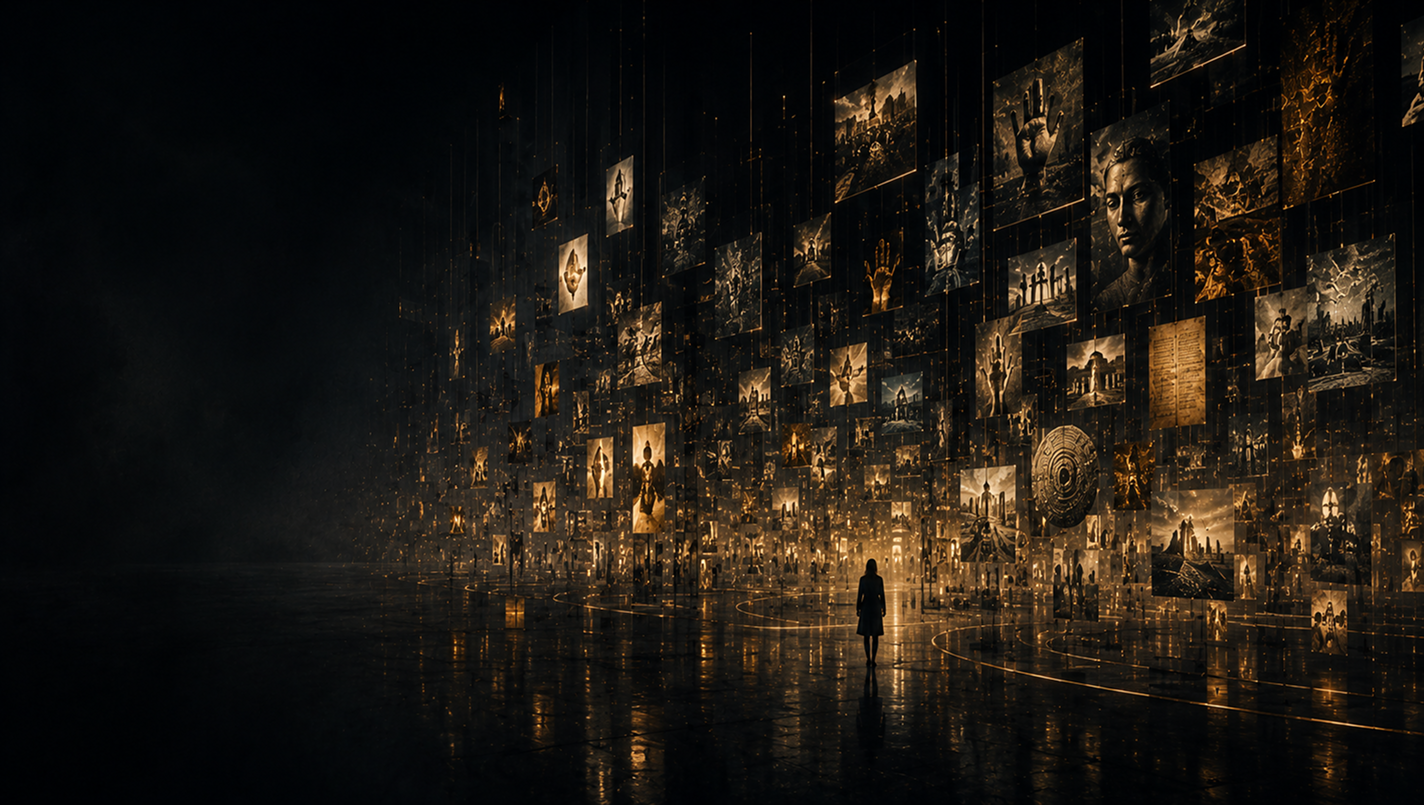
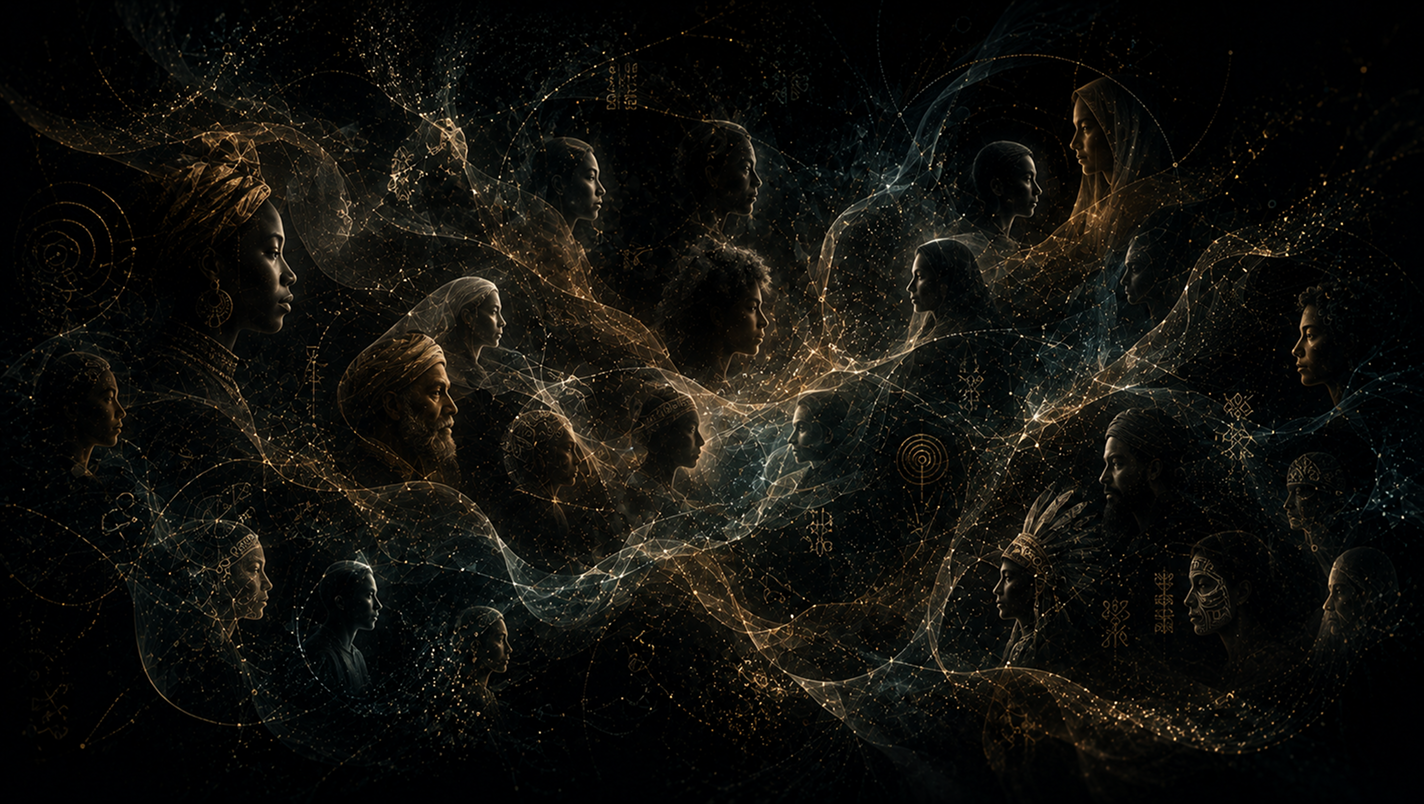
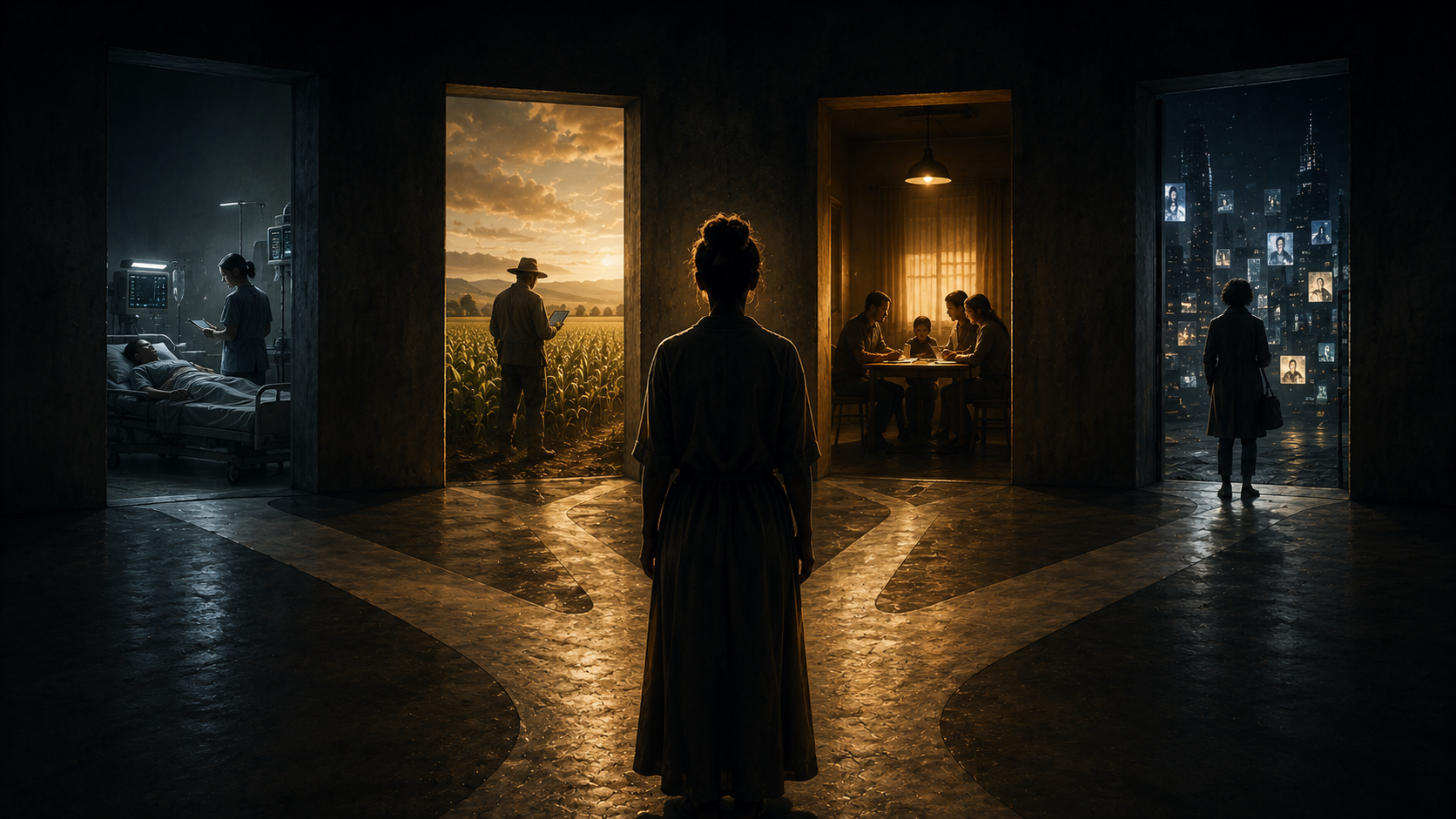
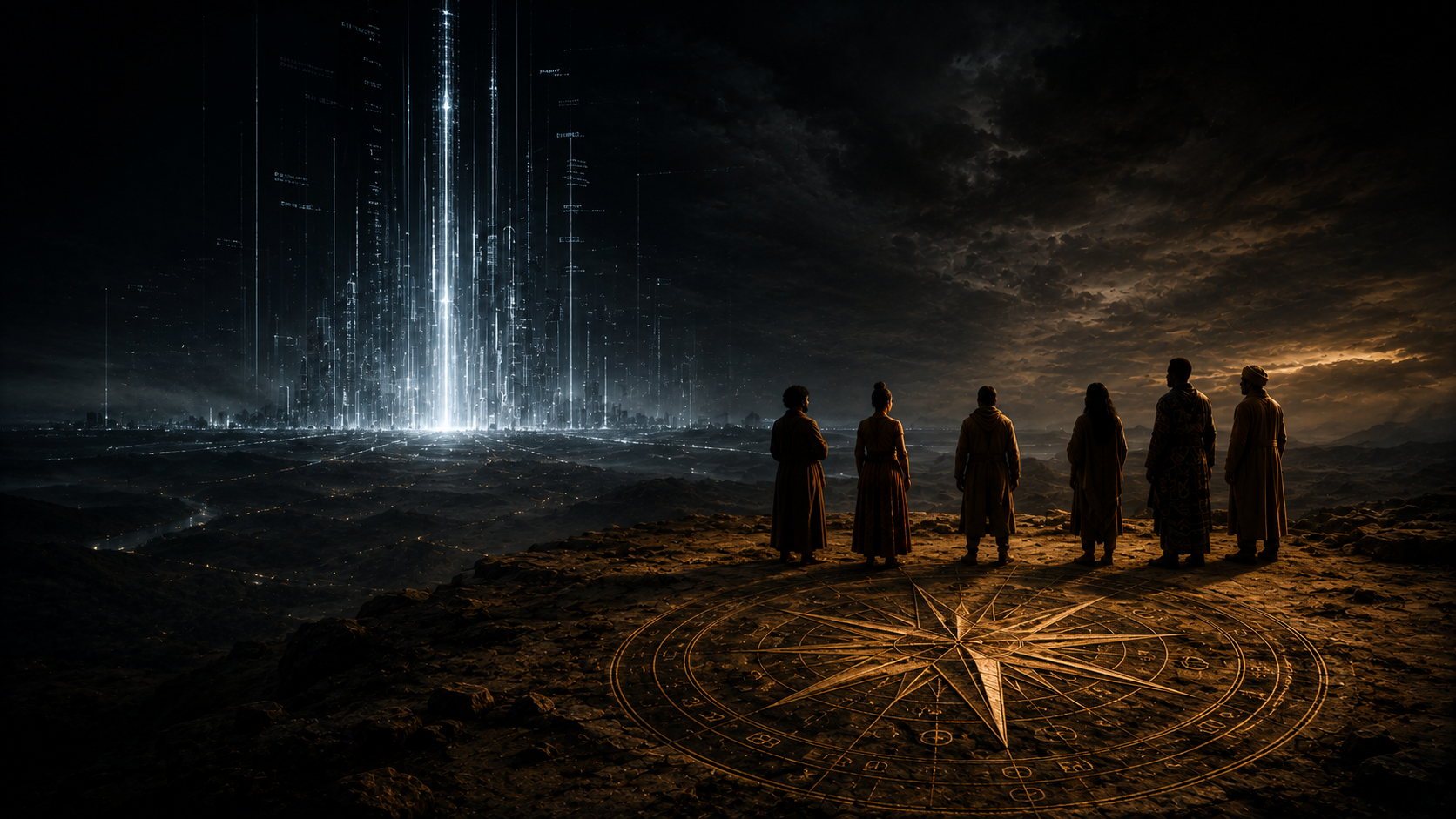
The artwork brings Horus, the ancient Egyptian god of the sky, into dialogue with Ani, the Igbo earth deity, alongside the Platonic idea of Anima Mundi, the ‘world soul’. Horus represents vision, intelligence, protection and reach; Ani represents land, fertility, morality, community and the resources that sustain life. In the image, the falcon occupies the open sky while fertile ground, water and vegetation root the scene below. Human figures stand between these forces. The pairing makes AI’s physical foundations visible: intelligence may seem weightless, but chips, fibre, electricity, buildings and networks all depend on the earth. The story asks whether technological ambition can remain connected to the communities and environments that sustain it.
GOVERNANCE CHOICE
Horus Labs chose to build modular, right-sized AI infrastructure matched to available electricity, financing, operational capacity and demonstrated demand, rather than pursuing hyperscale from the outset. The approach is guided by three principles: Relevance over Scale, Practicality over Prestige, and Access over Ownership. The decision involved leadership, infrastructure and product teams, prospective customers, public institutions, regulators, utilities, universities, researchers and technology partners. Expansion is not automatic. Utilization, reliability, energy consumption, security and user demand are monitored, while customer and institutional feedback informs what capacity and services should be added. Regulatory and operational reviews test whether the platform remains secure, compliant and accountable before further expansion.
WHAT THE MYTH REVEALS
Ani and Horus turn an infrastructure decision into a question of relationship and stewardship. Ani draws attention to what AI extracts, where it stands, who bears its material costs and whether it remains accountable to the land and community. Horus draws attention to who can see, connect, create and benefit from technological capability. Together, they warn against ambition detached from material limits and infrastructure that becomes scale without relevance. The artwork therefore presents technological progress as something that must remain grounded, reciprocal and accessible. Is intelligence still rooted in the world that sustains it, and does its reach widen meaningful access?
FRICTION & LEARNING
The submission exposed a central tension between technological scale and meaningful local value. Horus Labs had to reconsider the assumption that bigger infrastructure automatically represents progress, especially where power, capital, connectivity and skills are constrained. The process also made the team confront how easily AI infrastructure can appear immaterial or detached from the land, energy and communities that sustain it. Bringing Ani and Horus together clarified the governance lesson: expansion should follow demonstrated need and evidence, while access, reciprocity and accountability should matter more than prestige or scale for its own sake.